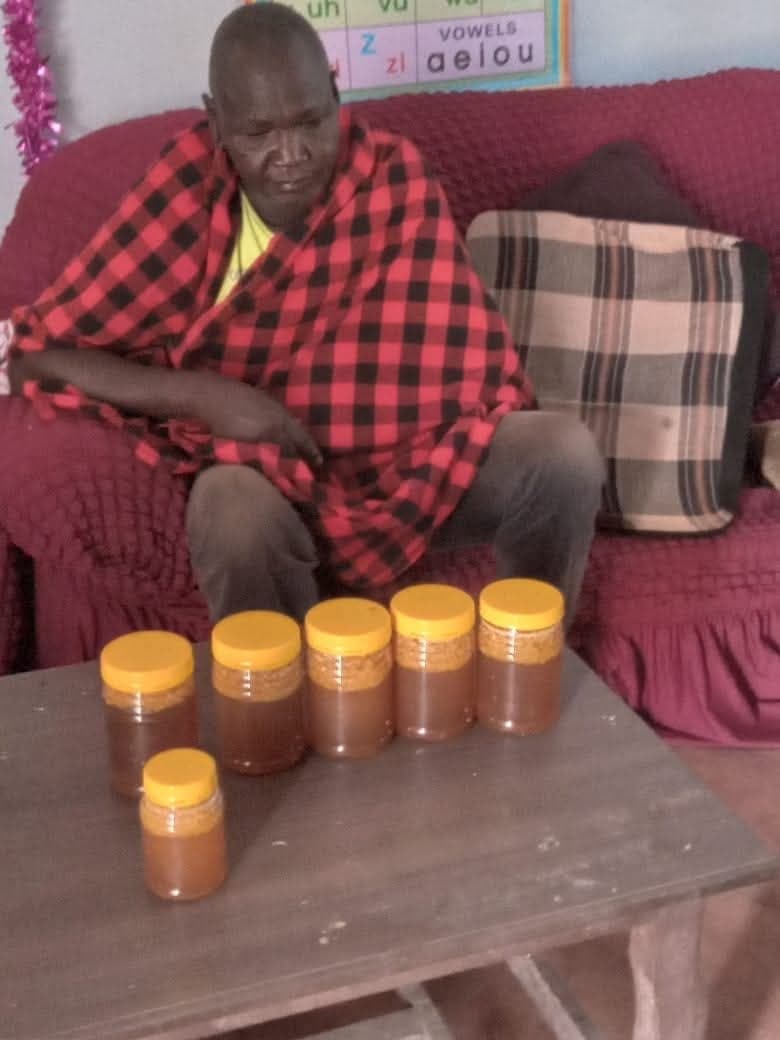
From Prison Walls to Community Leadership: Olekirika's Second Chance
“For ten years, Olekirika lived behind the walls of Athi River GK Prison. Today, he leads his community through beekeeping.”
For ten years, Olekirika lived behind the walls of Athi River GK Prison. In those years he learned endurance, reflection, and the weight of waiting — but nothing could fully prepare him for the moment the gates opened and the world outside rushed back in. A decade in prison changes a person. What many people never see is the challenge that comes after release: the stigma, the gaps in a CV, the quiet fear that there is no place for you in the economy or in polite conversation. "When you stay in prison for ten years and come out, the world feels completely different," Olekirika explains. "Everything has changed, and you feel like you must start life again from zero." Through collaboration with the prison Welfare Department, the Mama Nyuki Foundation identified Olekirika as someone determined to rebuild his life. Reintegration into society is never a straight line. Many former inmates struggle to find acceptance, meaningful work, and a sense of purpose that lasts longer than the first few hopeful weeks. But Olekirika's story turned out differently. His community welcomed him back with openness and encouragement — not with suspicion alone, but with room to prove himself again. Determined to give back, he stepped forward as a community leader and an active church leader, helping others rebuild trust and unity within the village. Still, one challenge remained: how to generate sustainable income to support both his family and the small initiatives he cared about — youth meetings, mutual aid, and simply being a dependable neighbour. That opportunity came through beekeeping training provided by the Mama Nyuki Foundation. At first, Olekirika saw beekeeping simply as a new skill — something practical on a list. But soon he discovered something deeper. Working with bees taught him patience, responsibility, and consistency: open the hive calmly, read the frames honestly, protect the colony before you think about the harvest. Those rhythms began to mirror the discipline he needed to rebuild dignity in public life. Seeing the potential, he began inviting other members of the community to participate in the training sessions organized by the Foundation. What started as personal learning soon became a shared community effort toward self-reliance. Neighbours who had watched from a distance began to ask questions. Some joined the next cohort. Today, thanks to the generous support of Madam Kerstin and her friends from Sweden — who helped provide education and starter beekeeping kits — Olekirika and his fellow trainees manage several hives that produce honey for sale in local markets. They harvest at least twice a year, creating a more reliable source of income than day-labour alone could offer. This success represents more than jars on a shelf. It represents restored hope, stronger families, and reduced recidivism: instead of returning to crime because opportunity never arrived, former inmates like Olekirika are building livelihoods, contributing to their communities, and mentoring others who are only beginning the same journey. Today, Olekirika stands as a symbol of what second chances can achieve when training, equipment, and community belief arrive together. "Beekeeping gave me something prison never could — a future," he says. Through programs like these, the Mama Nyuki Foundation continues to transform lives, proving that when communities invest in rehabilitation and real economic opportunity, the results ripple far beyond one individual — into households, cooperatives, and the quiet confidence of the next person who thought their story had already ended.
Help write the next chapter
Stories like this are funded by people who choose action — hives sponsored, fees paid, mentors showing up. Your gift keeps the work moving.