Beekeeping 101: A Beginner's Guide to Sustainable Apiculture
Learn the basics of beekeeping and how it can transform communities while protecting the environment.
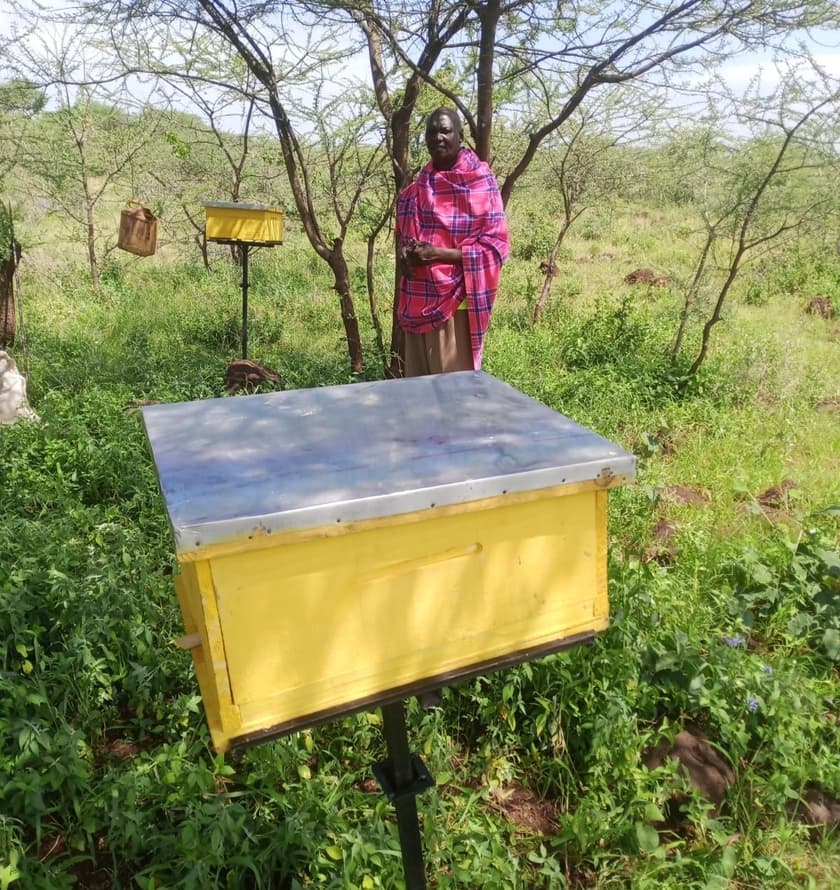
Beekeeping — or apiculture — is one of humanity's oldest agricultural practices, and it remains one of the most sustainable and community-friendly forms of food production available. At its simplest, beekeeping involves housing a colony of honeybees in a managed hive and harvesting their honey, wax, and other products. But in practice, it is a living science: an ongoing relationship between the beekeeper and one of nature's most sophisticated societies. **Why Bees Matter** Bees pollinate approximately 80% of all flowering plants on Earth, including roughly one-third of all food crops humans consume. Without pollinators, entire food systems collapse. In East Africa, where smallholder farming dominates, bee populations are directly tied to maize, fruit, vegetable, and legume yields. At the Mama Nyuki Foundation, we view beekeeping not merely as a livelihood tool, but as an act of environmental stewardship. **Getting Started: The Langstroth Hive** The Langstroth hive — a modular wooden box system invented in the 1850s — remains the most widely used commercial hive worldwide. It consists of a bottom board, brood boxes, honey supers, and a top cover. Its genius lies in its moveable frames, which allow beekeepers to inspect and manage the colony without destroying comb. For beginners in Kenya, a complete Langstroth setup costs between KSh 5,000–12,000. Our program provides this equipment to graduates at no cost. **The First Inspection** Opening a hive for the first time is simultaneously terrifying and magnificent. The smell alone — warm wax, fermenting nectar, the faintest scent of bee alarm pheromone — is unlike anything else. Our trainers teach participants to move slowly, smoke the entrance to calm the bees, and read the frames methodically: looking for eggs, capped brood, honey stores, and most importantly, the queen. **Harvesting Responsibly** Sustainable apiculture means never taking more than the colony can spare. As a rule of thumb, we leave at least 10 litres of honey in the hive for winter or dry-season food stores. Extraction uses a simple radial extractor — centrifugal force spins honey out of uncapped frames without destroying the comb, which saves the bees enormous energy. **The Community Dimension** What makes beekeeping particularly powerful as a development tool is its low barrier to entry, high return on investment, and compatibility with other land uses. Hives can sit alongside crops, in forest margins, on rooftops, and in pastoral rangeland. The Mama Nyuki Foundation's model places hives at the centre of three intersecting circles: environmental health, economic opportunity, and community dignity. When a former inmate successfully harvests his first crop of honey, the transformation is not just financial. It is existential. If you're interested in learning beekeeping or supporting our training programs, visit our Get Involved page.